
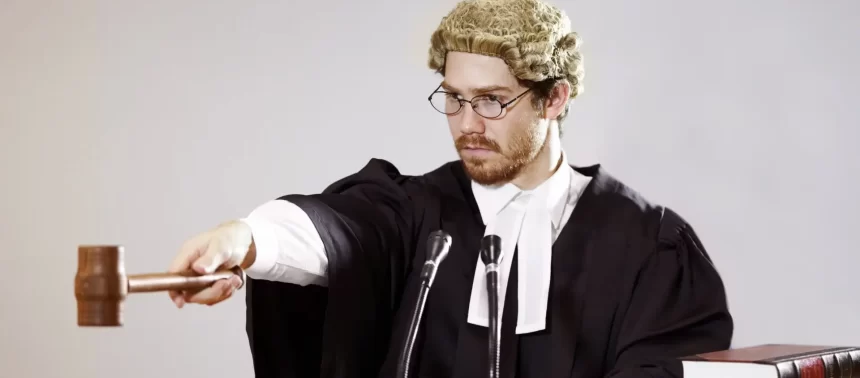
Facing a criminal trial can be intimidating and terrifying. The stakes are high, and your future is on the line. You may be worried about how you’ll be perceived by the judge and the jury, and wondering: What are some things you should never say to a judge during a criminal trial?
At the Law Offices of Huffman & Kendrick, PLLC, we’ve been helping the accused prepare for every step of their trial. For over 50 years, we’ve served defendants in the Monroe area, and we’re ready to help guide you through the legal process with compassion and confidence.
Respect: The Most Important Courtroom Rule
Judges demand respect in their courtrooms. Everything you do from the moment you walk into the Union County Superior Court will be scrutinized, and every word you say within the courtroom can bear consequences. Respect is the cornerstone of every trial, and poor conduct can result in poor outcomes. Actions matter as much as words.
Judges have the authority to punish offensive behavior on the spot, resulting in fines, penalties, and even jail time for contempt of court. According to the North Carolina Superior Court Judges’ Benchbook, contempt of court can include these categories:
- Disruption of court proceedings
- Impairing the respect due to a court during proceedings
- Disobedience of, resistance to, or interference with a court order
- Refusal to be sworn as a witness or testify
- Willful or negligent failure to comply with the court schedule or practice
- Communication with a juror to influence deliberations
- Refusal to comply with a condition of probation
It’s imperative to follow all rules of the court and to conduct yourself in a polite, respectful manner at all times. A Monroe criminal defense attorney can help you understand courtroom etiquette as you prepare for your criminal trial.
Fewer than 2% of criminal cases go to trial, with most settled out of the courtroom via plea bargains and other negotiations, but when you are facing a jury trial before a judge, it’s vital to conduct yourself with the kind of gravity the citation necessitates.
Language and Communication Inside the Courtroom
Disrespectful language is prohibited in the courtroom. When addressing the judge, you may only use the term “Your Honor” when speaking. Slang, casual language, slurs, and epithets will not be tolerated inside the courtroom, and tone matters just as much as language. Eye rolling, sarcasm, contemptuous remarks, and disparaging looks all signal a lack of respect for the legal process and the judge.
Interrupting the judge, attorneys, or court employees is a violation of courtroom decorum and presents a challenge to the judge’s rule over the proceedings. You must never argue with a judge. If you disagree with anything said during the trial, surface it with your attorney, who can advocate on your behalf, and file an appeal that follows proper legal procedure.
It’s important to dress for the occasion. Business attire is usually appropriate for most trials. Avoid wearing flip-flops, tank tops, and clothing with offensive or promotional language. Dress as if the occasion matters, but do not attempt to draw attention. Muted colors and simple, classic attire are almost always appropriate. Your lawyer can advise you on how to present yourself in the courtroom.
Lies and Damaging Statements
Lying to a judge, or on the witness stand while under oath, is a federal offense that can result in prison time. Omitting facts, knowingly providing false testimony, and evading questioning all count as perjury. It’s crucial to answer questions honestly and as factually as you are capable. Once you lose credibility with a judge, it is almost impossible to redeem your testimony.
Some of the most damaging things a person can say in a courtroom involve voluntary information that an opposing attorney can use to convict you. Never volunteer information beyond the question that was asked. If you don’t know the answer to a question, “I don’t know” or “I don’t recall” are permissible answers.
When you hire a criminal defense lawyer from the Law Offices of Huffman & Kendrick, PLLC, we will prepare you for your trial and help you avoid any behavior that could compromise your case.
FAQs
Q: What Is the Biggest Mistake to Make in Front of a Judge?
A: The biggest mistake you can make is to threaten a judge, which is a separate criminal offense that carries up to 10 years in prison. However, any form of disrespect in the courtroom can carry heavy consequences, which is why it is crucial to conduct yourself responsibly during your criminal trial or hearing.
Q: What Is the Most Common Reason Cases Get Dismissed?
A: Cases usually are dismissed on process errors, including wrongful arrest, insufficient evidence, procedural or clerical errors, and settlements or agreements made outside the courtroom, eliminating the need for a jury trial. Criminal cases are also subject to plea bargain negotiations, in which charges are reduced in exchange for a guilty plea.
Q: What Is the Golden Rule in Court?
A: When a statute’s literal wording would present an absurd or unjust result, the court is allowed to depart from the text to deliver a just outcome. Many laws on the books are outdated, or do not apply to the current legal process, and this rule allows judges to override irrelevant statutes to come to a more reasonable outcome and standard.
Q: How Can I Impress the Judge in Court?
A: One of the most effective ways to impress a judge in court is to be punctual and appropriately dressed, conduct yourself respectfully, speak to the judge when asked, and approach your trial in a way that demonstrates the seriousness of the matter at hand, while staying calm and composed throughout.
Facing Criminal Charges? Hire a Criminal Defense Lawyer in Monroe, NC
When you are facing a criminal trial, you need confident, knowledgeable representation. At the Law Offices of Huffman & Kendrick, PLLC, we’ve been representing the accused for over 50 years, serving the residents of Monroe and the surrounding area with compassionate, dedicated advocacy.
We can help you prepare for every aspect of your trial, guiding you and advising you as you seek justice. Contact us today to schedule your initial consultation. You don’t have to face court alone.