
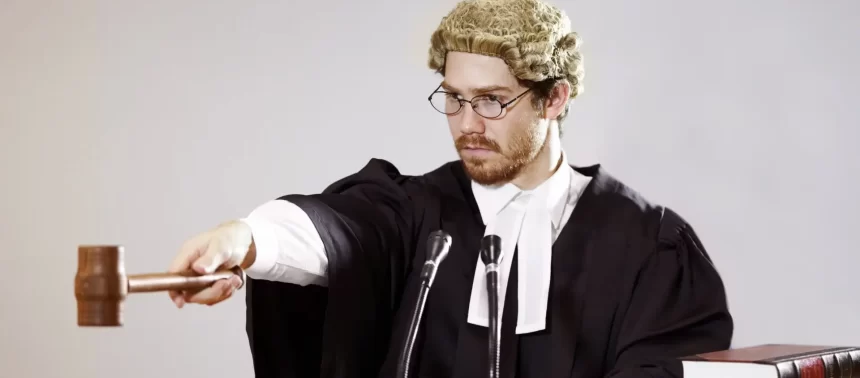
Understanding how this standard works can help you make informed decisions about your defense strategy. The Law Offices of Huffman & Kendrick, PLLC, can help you learn more about what standards of proof are and can create a compelling defense strategy on your behalf.
The Burden of Proof in Criminal Cases
The burden of proof refers to the level of evidence necessary before a court can rule against the defendant. The standards vary based on different types of legal proceedings.
In criminal court cases, the government carries the burden of proving all elements of the alleged offense. The primary standards of proof in American courts include:
- Preponderance of the evidence. Often used in civil disputes, a party must show that its version of events is more likely true than untrue.
- Clear and convincing evidence. This category is often used in fraud allegations, family law proceedings, and other special cases.
- Beyond a reasonable doubt. This is the highest legal standard. Prosecutors must convince the judge and jury that there is no doubt that the defendant did not commit the crime.
The criminal justice system works in a way that is meant to eliminate the risk of wrongful convictions. The National Registry of Exonerations reported 3,000 wrongful convictions in the United States as of 2023.
Because a criminal conviction can come with serious consequences, such as lengthy prison sentences, heavy fines, and loss of freedoms, it is crucial that the prosecution prove they got the right person for the right crime.
What Does Beyond a Reasonable Doubt Actually Mean?
Beyond a reasonable doubt doesn’t mean absolute certainty. Prosecutors do not have to eliminate every possible doubt, which could involve going through multiple scenarios. This would make trials incredibly lengthy and violate the Sixth Amendment. The evidence provided should be convincing based on common sense and reason.
If reasonable doubt exists, the jury must return a verdict of not guilty.
A jury may have reasonable doubt if the witness testimony is inconsistent, the physical evidence is unreliable, or certain facts remain unexplained.
Common Types of Evidence in Criminal Court Cases
Evidence is crucial in every case. Knowing the different types of evidence categories can help you understand their importance and what applies to your specific case.
- Physical evidence. Physical evidence is any tangible object that is connected to the offense. Examples include weapons, fingerprints, DNA samples, or clothing.
- Testimonial evidence. Witness statements are frequently used across many types of crimes. Witnesses can be the alleged victim, police officers, eyewitnesses, and even expert witnesses.
- Digital evidence. Modern investigations increasingly rely on electronic information, such as text messages, emails, and other communication records. It can also include GPS records and internet activity.
- Documentary evidence. This involves written records that can influence the case, such as medical records, bank statements, and business records.
Reasonable doubt can emerge through inconsistencies in any of these types of evidence, through police misconduct, or the defense may compellingly prove innocence.
Hire a Criminal Defense Lawyer From the Law Offices of Huffman & Kendrick, PLLC
If you are facing criminal charges, having the right legal counsel on your side can make a significant difference in the outcome of your case. It is advised to hire a criminal defense lawyer with experience handling similar criminal charges to yours to obtain a favorable outcome.
The Law Offices of Huffman & Kendrick, PLLC, can communicate with investigators, protect constitutional rights, and review evidence. We identify any procedural violations and develop a defense strategy based on the specifics of your case.
Our team works directly with clients, keeping them informed about their legal options, the steps involved in the legal process, and the procedures at any appearances at the Union County Judicial Center. We are committed to protecting our clients’ rights under North Carolina law.
FAQs for Monroe Criminal Defense Lawyers
Q: What Is the Hardest Case to Win in Court?
A: The hardest case to be successful with in court depends on the available evidence. Criminal cases with strong evidence, many credible witnesses, surveillance footage, and forensic testing can be particularly difficult for defendants. Some cases involve even more complex investigations, such as those involving homicide or fraud. But no case is impossible to challenge. An experienced Monroe criminal defense attorney can help identify weaknesses in the prosecution’s case and pursue the most favorable outcome.
Q: What Are the Five Rules of Evidence Admissibility?
A: The five rules of evidence admissibility are generally considered to be relevance, authenticity, reliability, compliance with hearsay rules, and determination that its probative value outweighs unfair prejudice. Evidence must satisfy these requirements before a court will admit it for consideration in a trial. It must also relate directly to the charges and be genuine. These standards help promote fair and accurate proceedings.
Q: What Is the Hardest Crime to Prove?
A: Some of the crimes that are hardest to prove involve those where the defendant’s intent is difficult to prove. Fraud, conspiracy, and other white-collar offenses frequently require prosecutors to establish a person’s state of mind rather than merely proving that the act occurred. Cases involving limited evidence or conflicting witness testimony are also challenging.
Contact the Law Offices of Huffman & Kendrick, PLLC
If you have been arrested or questioned by law enforcement in Monroe or the surrounding communities, obtaining legal guidance early in the process is vital. The Law Offices of Huffman & Kendrick, PLLC, provides experienced representation for those navigating criminal court cases and complicated legal proceedings.
If you need help navigating an investigation or creating a compelling defense case, contact our office today to schedule a consultation and learn more about your legal options and how you can better protect your future.